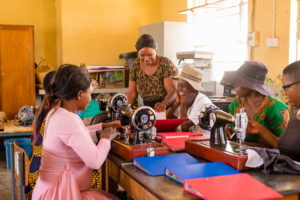
Enterprise Development and Economic Empowerment.
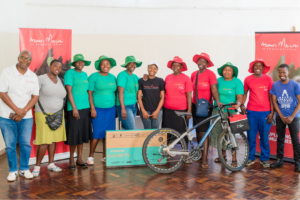
A distinguishing feature of the Integrated Support Ecosystem is its emphasis on local enterprise. Rather than creating dependency on external support, the model encourages communities to develop sustainable economic activities that generate income and strengthen household resilience. Community members are supported in identifying opportunities, building entrepreneurial skills, and creating enterprises aligned with local needs and resources. As these businesses grow, families gain income, schools benefit from stronger community support, and local economies become more vibrant.
Economic empowerment, therefore, becomes closely linked to educational success and community well-being. The ecosystem creates a cycle in which stronger livelihoods help families invest in education, while better educational outcomes contribute to a more skilled and productive population.
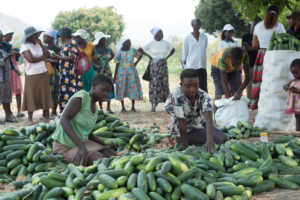
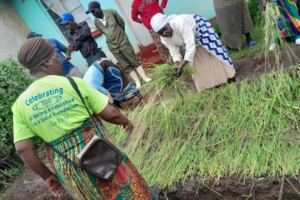
Agriculture as a Foundation for Sustainability: Agriculture plays a central role in many communities in Mashonaland East Province, making it a natural pillar of the Integrated Support Ecosystem.
The Foundation promotes agricultural initiatives that improve food security, nutrition, and livelihoods. School and community agricultural projects provide opportunities for learning, food production, and income generation simultaneously. Students gain practical agricultural knowledge, families benefit from improved farming practices, and communities become more resilient to economic and environmental challenges.
The integration of agriculture within the ecosystem helps ensure that food security and nutrition support educational achievement while strengthening local economic activity. Importantly, agriculture is not treated as a standalone intervention. It supports health outcomes through improved nutrition, contributes to enterprise development through income generation, and strengthens social support systems by enhancing household stability.
Community Healthcare and Well-being: Good health is essential for learning, productivity, and community development.
The Integrated Support Ecosystem incorporates healthcare initiatives that support children, families, and vulnerable community members. By connecting healthcare services to school-centered activities, the Foundation increases accessibility while strengthening awareness of health and wellness issues.Improved health outcomes contribute directly to better school attendance and performance. At the same time, healthier communities are better positioned to participate in economic activities, support their families, and contribute to local development initiatives. The model recognizes that education and health are deeply interconnected and that lasting progress requires investments in both.
Social Support That Strengthens Communities. Many households face social and economic pressures that can undermine educational achievement and long-term development. The Foundation addresses these challenges through integrated social support mechanisms that assist vulnerable children and families. By fostering community collaboration and strengthening local support networks, the ecosystem helps create environments where people can thrive.
This approach encourages communities to become active participants in their own development rather than passive recipients of assistance. Local ownership increases sustainability and ensures that solutions remain relevant to community needs.
Creating Self-Reinforcing Local Economies.
What makes the Integrated Support Ecosystem particularly effective is the way its components reinforce one another. Educational improvements produce more capable and informed individuals. Better health leads to stronger school performance and workforce participation. Agricultural productivity improves nutrition and generates income. Enterprise development creates economic opportunities. Social support strengthens family stability and community resilience.
Together, these elements create a virtuous cycle of development. As communities become healthier, better educated, and more economically empowered, they are increasingly able to sustain progress independently. Schools remain at the center of this transformation, serving as platforms through which knowledge, opportunity, and support flow throughout the wider community.
Impact in Greater Marondera
Across the eight schools where the model has been implemented, the Adam Molai Foundation's Integrated Support Ecosystem demonstrates how integrated community development can generate benefits far beyond education alone. By extending services and opportunities to surrounding communities, the model creates broader social and economic value while strengthening the foundations for long-term sustainability. Families gain access to resources and opportunities, local enterprises emerge, agricultural productivity improves, healthcare access is enhanced, and students receive the support they need to succeed.