Bridging the Gap: How Communities Can Support School Children After Exams
Every year, thousands of school children complete their final examinations and suddenly find themselves with an abundance of free time. After months of structured learning, revision, and academic pressure, they enter a period of uncertainty and idleness. While this break can provide much-needed rest, it can also expose young people to negative influences, risky behaviors, and harmful activities if they are left without meaningful engagement.
Communities have a critical role to play in creating “bridging activities” that keep young people productive, inspired, and connected while they await the next stage of their education or career journey. By investing in structured programs and opportunities, communities can transform idle time into a period of growth, learning, and personal development.
Innovation and Learning
Wellness & Wellbeing
Understanding the Risk: When students finish writing examinations, they often experience a sudden loss of routine. For many, days once filled with classes, homework, and extracurricular activities become empty. Without guidance or supervision, some young people may become vulnerable to: Substance abuse, Criminal activities, Early and risky sexual behavior, Gambling and online addictions, Peer pressure and gang involvement, Excessive social media use and unhealthy habits.
The transition period between completing examinations and receiving results can last several weeks or months. Communities that fail to provide constructive alternatives risk losing young people to activities that may negatively affect their futures.
The Importance of Bridging Activities.
Bridging activities are organized programs designed to occupy, educate, mentor, and empower young people during transitional periods.
These activities serve several purposes: Keeping students engaged and productive, developing practical life and career skills, providing positive role models and mentorship, strengthening social and emotional well-being, encouraging community participation, and reducing exposure to harmful influences
Most importantly, bridging activities help young people maintain a sense of purpose during a period when they might otherwise feel directionless.
Effective Bridging Activities Communities Can Create.
1. Volunteer and Community Service Programs
Community organizations, churches, clinics, and local charities can offer volunteer opportunities for school leavers. Students can participate in:
Environmental clean-up campaigns
Assisting at community centers
Library support services
Health awareness programs
Helping elderly community members
Volunteer work builds responsibility, empathy, leadership skills, and civic awareness while giving young people a sense of achievement.
2. Skills Development Workshops
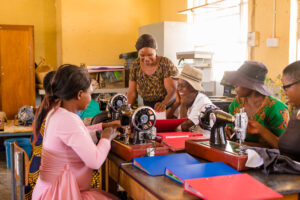
Not all learning happens in the classroom. Communities can organize practical training sessions in areas such as:
Computer literacy
Graphic design
Coding and digital skills
Public speaking
Financial literacy
Entrepreneurship
First aid
Communication skills
These workshops prepare students for higher education and future employment opportunities.
3. Sports and Recreation Programs
Sports provide a healthy and enjoyable way for young people to stay active while building teamwork and discipline.
4. Career Guidance and Mentorship
Many students finish examinations without a clear understanding of their future options. Communities can connect them with:
Professionals from different industries
University students
Entrepreneurs
Skilled tradespeople
Mentorship sessions can expose young people to potential careers, educational opportunities, and personal development pathways.
5. Arts and Cultural Programs
Creative activities offer an excellent outlet for self-expression and talent development. Communities can organize:
Drama clubs
Music workshops
Poetry and writing competitions
Dance groups
Photography classes
Cultural heritage projects
Such initiatives help young people discover talents that may eventually become careers.
6. Entrepreneurship and Business Projects
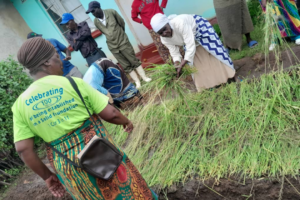
Communities can encourage young people to develop entrepreneurial skills through:
Small business competitions
Market-day projects
Agricultural initiatives
Innovation challenges
Youth cooperatives
Learning how to generate income responsibly can foster independence and reduce vulnerability to harmful activities.
7. Reading and Learning Clubs
Learning should not stop after examinations. Libraries, schools, and community centers can establish:
Book clubs
Debate societies
Science clubs
Language-learning groups
Innovation hubs
These platforms keep students intellectually engaged while broadening their knowledge.
8. Youth Leadership Camps
Short leadership camps can equip school leavers with valuable life skills including:
Decision-making
Goal-setting
Teamwork
Conflict resolution
Self-confidence
Emotional intelligence
Leadership development empowers young people to make positive choices during transitional periods.
The Role of Parents, Schools, and Community Leaders
Creating effective bridging activities requires collaboration. Parents, educators, religious leaders, businesses, local authorities, and youth organizations must work together to identify opportunities and resources.
Schools can provide facilities, local businesses can offer internships, churches can coordinate mentorship programs, and community organizations can facilitate training workshops. When various stakeholders collaborate, the impact is far greater than that of any single institution working alone.